
The Indian startup ecosystem has undergone a dramatic shift. In 2026, profitability and unit economics are no longer optimization goals, they’re the price of entry for capital. Over one-third of Indian startups chose profitability and runway extension over fundraising in 2025, signaling a fundamental behavioral change in how founders build companies.
But here’s the challenge: knowing when to prioritize profitability versus growth isn’t always clear-cut. Push too hard on growth, and you might burn through cash before finding sustainable economics. Focus too early on profitability, and you could miss a critical window to capture market share.
This guide will help you navigate that decision with clarity.
Understanding Unit Economics: The Fundamentals
Before deciding between profitability and growth, you need to understand what unit economics India actually means for your business.
Customer Acquisition Cost (CAC): The total cost to acquire one paying customer, including marketing spend, sales team costs, and tools. In India, CAC can vary dramatically by channel—digital ads in metro cities cost significantly more than community-led acquisition in tier-2 towns.
Lifetime Value (LTV): The total revenue you expect from a customer over their relationship with your company. In India’s price-sensitive market, LTV calculations need to account for higher churn rates and lower ARPU (Average Revenue Per User) compared to Western markets.
Contribution Margin: Revenue per customer minus variable costs. This tells you if each sale actually makes you money before accounting for fixed costs.
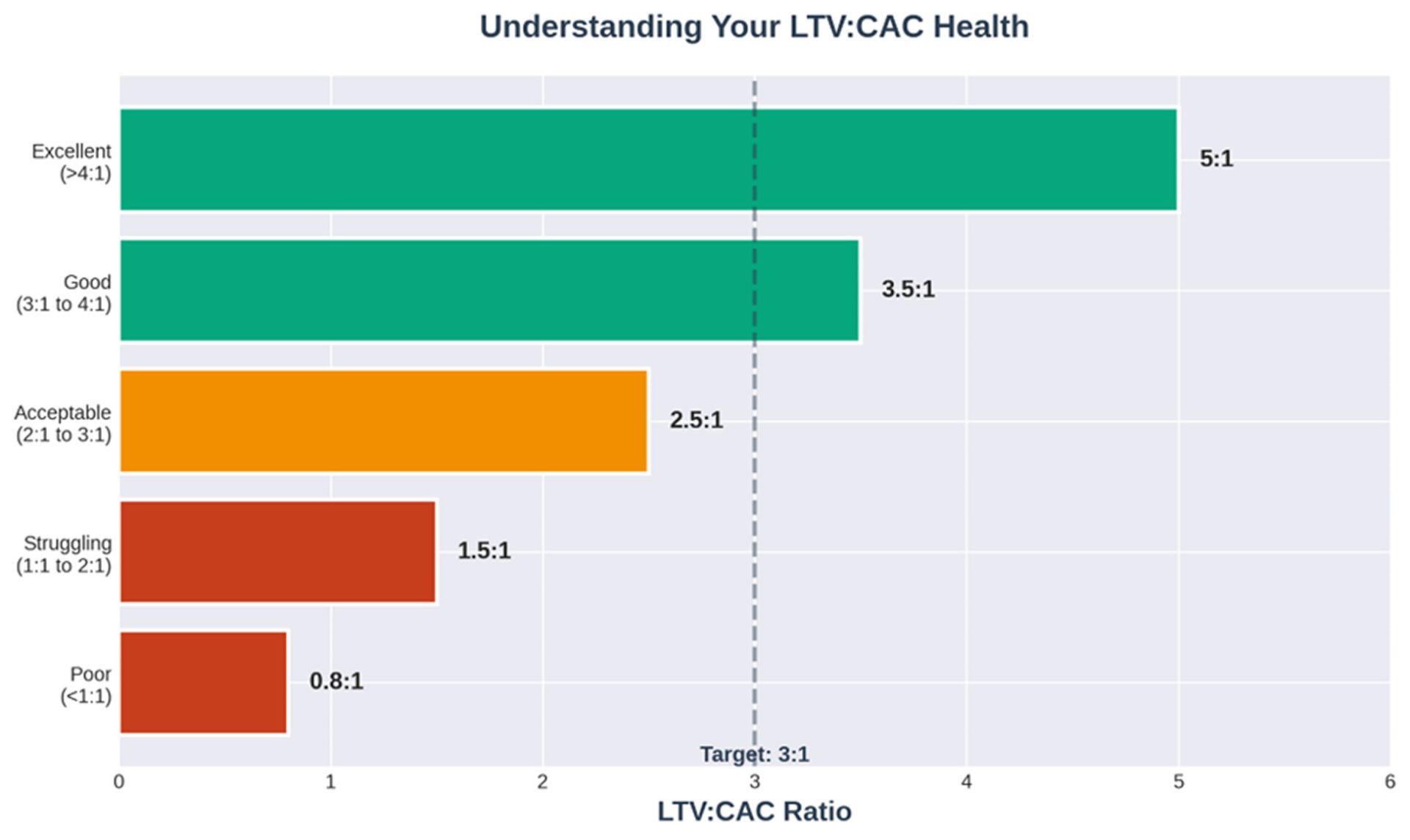
The golden ratio that investors typically look for is an LTV:CAC ratio of 3:1; meaning you make 3x what you spent to acquire a customer. In our experience working with Indian startups, achieving this ratio often takes longer than founders expect, especially in B2C businesses targeting mass-market customers.
The 2026 Reality: Profitability Is No Longer Optional
The funding environment has fundamentally changed. Startup funding in India for 2026 is projected to remain at $11.5-13.8 billion, closer to 2019-20 levels than the 2021 peak. What does this mean for you?
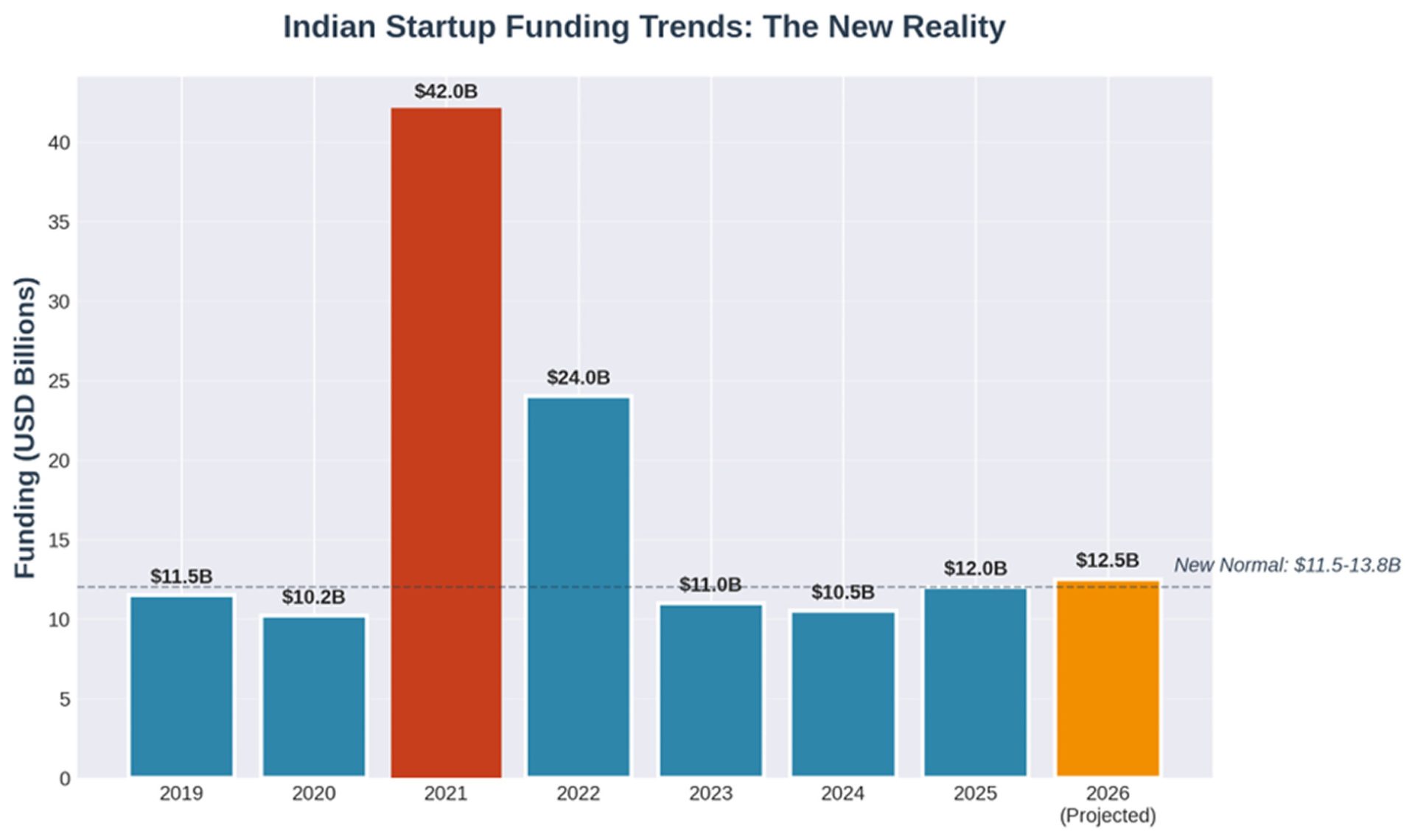
Investors are now emphasizing governance, unit economics, and a real path to profitability over “growth at any cost.” Founders who can demonstrate capital efficiency and disciplined CAC/LTV ratios are finding it easier to raise capital.
This doesn’t mean growth is dead. It means undisciplined growth is dead.
When to Prioritize Profitability: The Framework
You should prioritize profitability when:
- Your market is mature and competitive
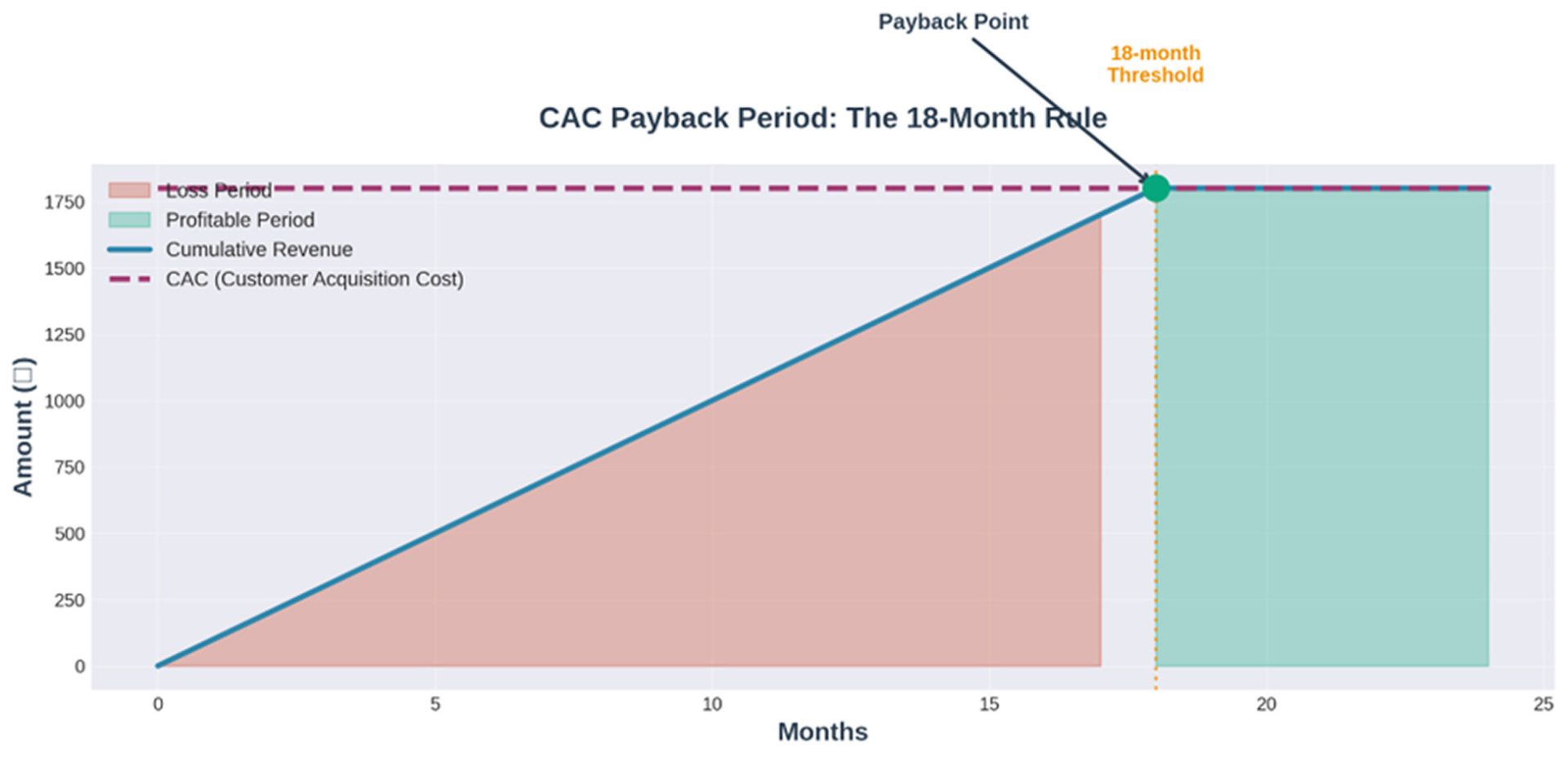
If you’re entering a crowded space where customer switching costs are low, sustainable unit economics matter more than land-grab tactics. We’ve seen startups in fintech and edtech learn this the hard way, burning capital to acquire customers who churn quickly destroys value. - Your CAC payback period exceeds 18 months
If it takes more than 18 months to recover your customer acquisition cost, you’re essentially funding your customers’ use of your product. In India’s current funding climate, that’s a dangerous position. Focus on improving conversion rates and reducing acquisition costs before scaling.
- You’re in a B2B SaaS business
B2B businesses in India typically benefit more from sustainable growth. The sales cycles are already long, and customers expect established, reliable vendors. Demonstrating profitability builds trust and makes renewals easier. - Your market size is uncertain
If you’re still validating whether a large enough market exists, profitable growth lets you extend runway and gather more data without constantly fundraising. This is particularly relevant for startups targeting tier-2 and tier-3 cities where market behavior is less understood.
When Blitzscaling Makes Sense in India
You should prioritize growth over profitability when:
- Winner-takes-most market dynamics exist
In categories with strong network effects (marketplaces, social platforms, certain fintech categories), early market share compounds into defensibility. If being #1 vs #3 means 10x the enterprise value, aggressive growth makes sense, provided you can demonstrate improving unit economics over time. - You have true product-market fit with proven retention
If your organic retention is above 80% monthly (for consumer) or above 90% annually (for B2B), and customers are actively referring others, you’ve earned the right to pour fuel on the fire. The key phrase is “earned the right”, don’t confuse early enthusiasm with true PMF. - A funded competitor is growing aggressively
Sometimes the market forces your hand. If a well-funded competitor is capturing share and building switching costs, you may need to match their aggression. However, we’ve seen this rationale abused to justify undisciplined spending. Ask yourself: are you responding to a real competitive threat or using competition as an excuse to avoid hard unit economics work? - You’re in a “Bharat-first” or underserved category
For founders building for India’s mass market; regional content, credit for underbanked, agritech, the playbook is different. CAC, LTV, and payback periods look very different in these models, and that difference can be a competitive advantage. Early investment in customer education and ecosystem building can create long-term moats.
The Hybrid Approach: Profitable Growth
The best Indian startups in 2026 aren’t choosing between profitability and growth, they’re achieving both. Here’s how:
Segment your customer base: Identify which customer segments have the best unit economics and focus acquisition efforts there. Use learnings from profitable segments to improve economics in others.
Optimize by channel: Not all acquisition channels are created equal. We’ve seen startups cut CAC by 60% by shifting from paid digital ads to community-led growth or strategic partnerships. Test ruthlessly and double down on what works.
Improve retention before acquisition: A 5% improvement in retention can increase profits by 25-95%. In India’s price-sensitive market, retention is often the unlock for sustainable growth. Focus on activation, engagement, and value delivery.
Build in revenue milestones: Set clear revenue milestones ($100K ARR, $1M ARR) where you pause to evaluate and improve unit economics before scaling further. This disciplined approach prevents you from scaling broken economics.
Metrics to Track Monthly
Create a simple dashboard and review these metrics monthly:
- CAC by channel: Where are you acquiring customers most efficiently?
- LTV:CAC ratio: Are you maintaining at least 3:1?
- CAC payback period: How many months to recover acquisition cost?
- Gross margin: Are you making money on each transaction?
- Net revenue retention: Are existing customers expanding their spend?
- Burn multiple: How much are you burning for each dollar of new ARR?
The Bottom Line
In 2026’s funding environment, Indian startups must demonstrate both growth and a path to profitability. The days of “we’ll figure out monetization later” are over.
Start with honest unit economics. If your LTV:CAC ratio isn’t trending toward 3:1, or if your payback period exceeds 18 months, growth will only accelerate your path to failure. Fix the fundamentals first.
But if you have genuine product-market fit, strong retention, and improving economics, don’t be overly conservative. Strategic growth investment, when backed by data, can compound into category leadership.
The question isn’t profitability OR growth. It’s profitability AND growth, in the right sequence, with the right discipline.